Find Customized Printing Scratch Card for Lottery, Promotions and Price Tags
Compare 30 customized printing scratch card options from paper material and digital or screen printing to sizes, finishes, and barcodes or serial numbers. Review MOQ, sample, and lead-time details to match lottery, promotion, or packaging label projects before requesting quotes.
Key considerations
Products List






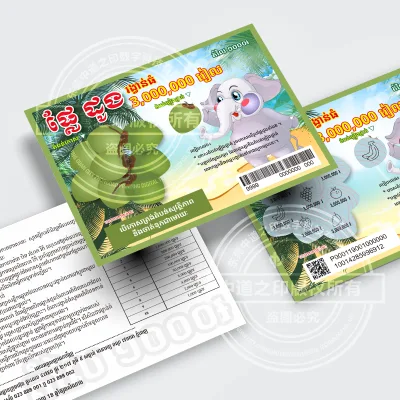
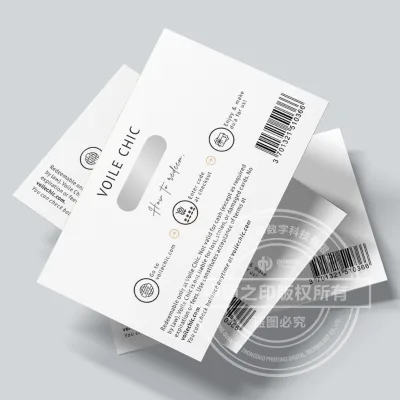

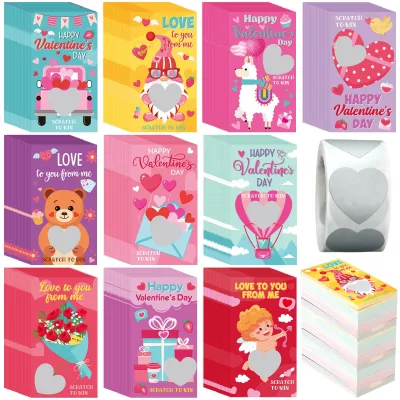


Comprehensive Sourcing Guide
Customized Printing Scratch Card Sourcing Guide
Sourcing customized printing scratch cards requires a nuanced understanding of both the physical substrate and the security features embedded within the scratch-off layer. These items are not merely promotional tools but often serve as critical components in lottery systems, promotional campaigns, and secure verification processes. The procurement process must balance aesthetic customization with functional integrity, ensuring that the scratch-off mechanism reveals information clearly without damaging the underlying print or leaving residue that compromises readability. Buyers must recognize that while the visual appeal drives initial engagement, the reliability of the scratch-off coating determines the long-term utility of the product in high-volume applications.
The market for these products is diverse, ranging from simple price tags to complex lottery tickets with serialized data. Suppliers typically offer a wide array of customization options, including shape, size, and finishing techniques, which directly impact the final cost and production timeline. Understanding the specific use case is paramount, as a scratch card intended for a one-time promotional giveaway has different quality thresholds than one used for secure medical or pharmaceutical verification. Procurement teams must therefore define their requirements with precision, distinguishing between cosmetic preferences and non-negotiable functional specifications to avoid costly mismatches between expectation and delivery.
Product Scope and Observed Listing Signals
The observed product landscape indicates a strong emphasis on paper-based substrates, with coated paper and paperboard being the primary materials cited in current listings. These materials provide the necessary rigidity and print surface quality required for high-resolution digital or screen printing. The presence of specific model numbers such as XG0579, XG0582, and XG576 suggests that suppliers often categorize their offerings by specific design templates or structural configurations rather than generic descriptions. Buyers should note that while the core material is consistent, the thickness varies significantly, with options ranging from standard paper weights to heavier 300-800gsm board, allowing for tailored durability based on the card's intended handling frequency.
Listing signals also reveal a high degree of flexibility in application and finishing. Products are marketed for diverse uses including bottled beverage packaging, food labeling, medicine verification, and general promotional game playing. The availability of customized gloss or matte lamination, along with the option for CMYK color printing, indicates that visual branding is a key differentiator. Furthermore, the inclusion of variable data capabilities, such as barcodes and serial numbers, highlights the technical sophistication available in modern scratch card production. This suggests that buyers are not limited to static designs but can integrate dynamic elements that support inventory tracking, anti-counterfeiting measures, or personalized user experiences.
Technical Specifications to Verify
When evaluating technical specifications, the verification of the scratch-off mechanism's integrity is the most critical step. Buyers must ensure that the scratch-off coating is uniform, adheres properly to the substrate, and can be removed cleanly to reveal the underlying information without smudging or tearing the paper. The choice between digital printing and screen printing also plays a significant role in the final output; digital printing offers greater flexibility for variable data and short runs, while screen printing may provide more robust ink coverage for specific promotional applications. It is essential to confirm that the printing method aligns with the complexity of the design and the volume of the order, as each method has distinct advantages regarding color fidelity and production speed.
Dimensional accuracy and shape customization are other vital technical parameters. While standard sizes like 8x6cm are available, many suppliers accept custom sizes and shapes, including squares, rectangles, and circles. Buyers must provide precise die-line templates to ensure that the scratch-off area aligns perfectly with the printed content. Additionally, the thickness of the paperboard or coated paper must be selected based on the desired tactile feel and durability. Thicker boards, such as those at 300gsm or higher, offer better resistance to bending and wear, which is crucial for cards that may be handled frequently or stored in wallets. Verification of these physical attributes through sample testing is recommended before committing to large-scale production.
Compliance and Safety Documentation
Compliance and safety documentation are particularly relevant when scratch cards are used in contexts involving food, medicine, or children's products. Although the supplied facts do not specify exact regulatory certifications, buyers must verify that the inks and coatings used in the printing process comply with relevant safety standards for the intended market. For instance, if the cards are used for food packaging or medicine labeling, the materials must be non-toxic and free from harmful substances that could migrate to the product. Suppliers should be able to provide material safety data sheets (MSDS) or declarations of conformity that attest to the safety of the inks and adhesives used in the scratch-off layer.
In the context of lottery or promotional games, compliance may also involve adherence to local gaming regulations, which often dictate the security features and transparency of the scratch-off mechanism. While specific legal standards vary by jurisdiction, buyers should ensure that the supplier has experience in producing cards that meet these rigorous requirements. This includes verifying that the scratch-off area cannot be easily tampered with or resealed after scratching. Additionally, if the cards are intended for international distribution, buyers must check for compliance with environmental regulations regarding paper sourcing and ink composition, such as restrictions on heavy metals or volatile organic compounds (VOCs).
Cost Drivers and Commercial Terms
The cost of customized printing scratch cards is influenced by several key factors, including the material type, printing method, and the complexity of the design. Thicker paperboards and specialized coatings generally incur higher material costs, while digital printing may be more cost-effective for smaller runs due to lower setup costs compared to screen printing. The inclusion of variable data, such as unique serial numbers or barcodes, adds a layer of technical complexity that can increase production time and cost. Buyers should also consider the impact of finishing options, such as custom gloss or matte lamination, which add value but also contribute to the overall price.
Commercial terms, including minimum order quantities (MOQ) and lead times, vary significantly among suppliers. Observed MOQs range from 100 to 10,000 pieces, allowing for flexibility depending on the scale of the promotion or distribution campaign. Lead times are typically cited as 5-7 days after artwork confirmation, with sample times ranging from 3 to 5 days. Buyers must factor in these timelines when planning their campaigns to avoid delays. Additionally, packaging methods, such as PP bags with carton boxes, should be confirmed to ensure that the cards arrive in pristine condition, minimizing the risk of damage during transit. Clear communication regarding these terms is essential for accurate budgeting and scheduling.
Supplier Qualification and Quality Control
Supplier qualification involves assessing the manufacturer's capability to deliver consistent quality across large production runs. Buyers should verify the supplier's experience in producing scratch cards for similar applications, such as lottery, promotion, or medical packaging. Requesting references or case studies can provide insight into the supplier's reliability and attention to detail. It is also important to evaluate their quality control processes, including in-line inspections and final random sampling procedures. A robust quality control system ensures that defects, such as misaligned scratch-off areas or printing errors, are identified and rectified before shipment.
Sample approval is a critical step in the qualification process. Buyers should request physical samples to evaluate the tactile quality of the scratch-off coating, the clarity of the printed text, and the overall durability of the card. Testing the samples under various conditions, such as exposure to humidity or friction, can help identify potential issues before mass production. Additionally, buyers should confirm the supplier's ability to handle custom designs and variable data integration. A supplier that demonstrates flexibility and technical expertise in these areas is more likely to meet the specific needs of the procurement project. Establishing a clear communication channel for feedback and revisions during the sample phase can further enhance the final product quality.
Long-Term Procurement Checks
Long-term procurement success depends on establishing a sustainable relationship with suppliers who can scale with your business needs. Buyers should monitor supplier performance over multiple orders, tracking metrics such as on-time delivery, defect rates, and responsiveness to issues. Consistent quality and reliability are key indicators of a strong partnership. Additionally, buyers should stay informed about advancements in printing technology and materials that could offer cost savings or improved functionality. Engaging with suppliers who are proactive about innovation can provide a competitive edge in promotional campaigns or product verification systems.
Regular audits and reviews of the supply chain can help identify potential risks and opportunities for improvement. This includes assessing the supplier's environmental practices, such as the use of sustainable paper sources or eco-friendly inks, which are increasingly important to consumers and regulators. Buyers should also consider the flexibility of the supplier in handling changes in order volume or design requirements. A supplier that can accommodate rush orders or design modifications without significant penalties is valuable for dynamic marketing strategies. By maintaining a strategic approach to supplier management, buyers can ensure a steady supply of high-quality customized printing scratch cards that meet their evolving business objectives.
FAQs
What is the minimum order quantity for customized printing scratch cards?
The standard MOQ for customized scratch cards is 5000 pieces, though some paper card listings on this page accept a minimum of 100 pieces. The applicable quantity depends on the product model and specifications you select. Confirm the MOQ with the supplier before submitting artwork, since lower quantities may affect unit pricing and finishing options.
How long does production take after artwork confirmation?
Production lead time is 5-7 days after artwork confirmation for scratch card orders. Sample production typically takes 3-5 days, allowing you to verify print quality and scratch-off performance first. Final delivery time will also depend on shipping method and destination, so factor sample approval and transit into your overall schedule when planning promotional or lottery campaigns.
Can I customize the shape, color, and finish of my scratch cards?
Yes, customization is available for shape, color, and finish. Standard shapes include square, rectangle, and circle, with fully custom shapes accepted on request. You can choose CMYK color printing and select either gloss or matte lamination for the surface finish. Customized logos are accepted, and details should be confirmed during the quotation and artwork review stage.
What material and thickness options are available for scratch cards?
Scratch cards are made from paper or coated paperboard, with card products offered in coated paper. Thickness options include 300gsm, 350gsm, 400gsm, and 800gsm, and custom thicknesses can be arranged. Coated paper supports digital and screen printing methods, and film lamination can be applied to protect the printed surface and the scratch-off panel during handling.
Can scratch cards include barcodes and serial numbers?
Yes, variable data printing supports barcodes and serial numbers on scratch cards. This is useful for lotteries, promotions, game playing, and tracking redemptions across bottled beverage, food, medicine, and shipping label applications. Provide your numbering sequence or barcode format with your artwork so the supplier can confirm printability and layout before production begins.
How are customized scratch cards packed for delivery?
Scratch cards are typically packed in a PP bag with a carton box for protection during transit. Card products may also be packed in a paper box, plastic case, tin box, or gift box depending on the product type. Standard card size for referenced models is 8x6cm, with a single package size of 8.5X5.4X0.08 cm. Confirm packing preferences when requesting a quote.
Which printing methods are used for customized scratch cards?
Digital printing and screen printing are both used for customized scratch cards. Digital printing suits short runs and variable data such as serial numbers, while silk screen printing is listed for card products requiring deeper ink coverage. CMYK color is available for full-color designs. The best method depends on your quantity, artwork complexity, and scratch panel requirements.
Can I request a sample before placing a bulk order?
Yes, samples are available for customized scratch cards and paper card products. Sample production takes 3-5 days, giving you time to check printing quality, card thickness, and scratch-off behavior. Because most items are fully customized, a sample based on your own artwork is the most reliable way to verify the result before committing to a production order.